Understanding the Full Moon's Impact on Watersports


Intro
The full moon isn’t just a pretty sight hanging in the night sky; it has tangible effects on our water bodies. From the rhythm of the tides to the activities of creatures beneath the surface, the full moon's phase holds secrets that can significantly impact watersports. This rhythmic dance of the lunar cycle influences when to glide on a surfboard or when to cast a line for fishing. The aim here? To take a deep dive into how you can navigate the waters during this magnificent time, making the most out of your aquatic adventures.
For centuries, sailors and fishermen have been tuned into the phases of the moon, trusting its power over water. In this modern era, merging ancient knowledge with scientific understanding can enhance your connection to the water. Whether you’re a novice paddler or a seasoned sailor, aligning your activities with the full moon could offer you that extra edge.
Let’s unpack the techniques and skills that can help you harness lunar magic during your watersport escapades.
Understanding the Full Moon Cycle
Understanding the full moon cycle has become crucial for various watersport enthusiasts. The essence of this cycle goes beyond mere observation of the moon in the night sky; it intricately connects to tides, marine life behaviors, and even the energy levels of individuals participating in water-based activities.
Each phase of the lunar cycle carries its own unique characteristics which can either enhance or hinder watersport experiences. For instance, planning a surf session or diving excursion during certain phases can yield significant differences in conditions. Knowledge of these phases empowers sports enthusiasts to maximize their enjoyment and performance, ensuring they catch the right waves or encounter spectacular marine life.
A thoughtful engagement with the rhythm of the lunar cycle can offer unforgettable experiences shaped by nature. As tides ebb and flow, so do opportunities for adventure, and knowing how to navigate through the full moon cycle equips enthusiasts to ride the waves of their passion with insight.
Definition of the Lunar Cycle
The lunar cycle comprises a period of roughly 29.5 days, during which the moon transitions through several distinct phases. Beginning with the new moon, the cycle progresses to the waxing phases, peaks at the full moon, and then wanes back to the new moon. This circular pattern is fundamental to many natural phenomena, influencing elements like tide schedules and the behavioral patterns of various marine species.
Phases of the Moon
- New Moon: The new moon marks the beginning of the lunar cycle. During this phase, the moon is positioned between the Earth and the sun, resulting in its illuminated side being facing away from us. Though not usually favored for watersports due to limited moonlight and tides being less pronounced, it’s an ideal time for those who prefer a quieter experience on the water. The calmness often encourages reflection.
- Waning Crescent: As the moon transitions into the waning crescent phase, it begins to shed its light. This period is often characterized by low tides, which can offer some unique opportunities for kayaking and exploring coastal ecosystems. Adventurers may find hidden caves or tide pools that are more accessible during this phase. However, the lack of light can be a hindrance to visibility at night.
- First Quarter: During the first quarter, half of the moon is illuminated, signaling a time of growing tides. This phase can enhance wave conditions and is popular among surfers. The increased tidal shifts create better surfing opportunities, making it a favorable choice for those looking to catch waves or engage in energetic activities on the water.
- Waxing Gibbous: As the light of the moon continues to fill, the waxing gibbous phase is optimal for nocturnal marine activities. More visible nights allow for night fishing or diving experiences to thrive, as many species become more active. The bright moonlight also casts an enchanting glow on the water's surface, inviting adventurers to partake in late-night escapades.
- Full Moon: The peak of the lunar cycle is the full moon, where the moon illuminates the night sky entirely. This phase contributes to higher and more pronounced tides, which can be advantageous for surfing and other watersports. Both beginners and seasoned adventurers flock to the coast seeking the energy and excitement that often accompany this phase. The marine life is also highly active, providing even more reasons to engage with the wind and waves.
- Waning Gibbous: Following the full moon, the waning gibbous phase sees a gradual decrease in illumination. Tides begin to pull back, creating conditions that may still favor certain watersport activities, especially for those who enjoy surfing in less crowded environments. The calmness can lead to favorable conditions for connecting with nature.
- Last Quarter: The last quarter moon signals a time of reflection on the water. As the tides continue to wane, watersport enthusiasts may find that conditions are more tranquil, making it a preferable time for activities that require focus and space, like paddling or sailing.
- Waning Crescent: The final phase before returning to the new moon, the waning crescent suggests a slow descent into calmness. This period can serve as a gentle reminder to wind down and take a break. It can also be a good time to prepare for the upcoming cycle, allowing enthusiasts to set intentions for future outings.
By understanding these various lunar phases and their respective impacts on watersports, individuals can become more adept at planning their adventures in line with natural rhythms, truly maximizing their experiences on the water.
The Science of Tides and Lunar Influence
Understanding the relationship between the moon and tides is essential when considering water-based activities. Tides govern not only the visible landscape of coastal areas but also the hidden dynamics of marine ecosystems. The movements of water, driven by luna gravitational effects, influence when and how enthusiasts can enjoy their favorite sports, from surfing to kayaking.
Tidal Mechanics
To grasp the tidal mechanics, it helps to remember that oceans are not vast, flat surfaces. Rather, they rise and fall in rhythmic patterns closely linked to astronomical forces. The primary drivers of tides are the gravitational pull of the moon and, to a lesser extent, the sun. This complex interaction creates various tidal patterns influenced by the landscape of the coastline, the shape of ocean basins, and prevailing winds.
- High Tides: Occur when the water is drawn towards the moon, creating bulges.
- Low Tides: These happen in the areas perpendicular to the high tides, where water recedes.
- Spring Tides: Coinciding with the new and full moons, the tidal difference is most pronounced.
- Neap Tides: Occur during the first and last quarters of the moon, presenting smaller tidal ranges
This interplay is crucial for watersport enthusiasts, as precise timing surrounding these tidal phases can lead to optimal conditions or unexpected challenges on the water.
Role of the Moon in Tidal Patterns
The moon’s phases shape the tides, dictating the rhythm of water levels. Each phase brings its own pattern of tidal effects: during a full moon, for instance, the gravitational pull aligns with its strongest impact. As a result, spring tides emerge, resulting in noticeably higher high tides and significantly lower low tides, which can dramatically reshape the environments where watersport activities are undertaken.
Some important considerations include:
- Safety: Awareness of high and low tides is crucial for safety, especially in surfing and diving.
- Timing: Maximal tidal effects align with key periods in the lunar cycle, influencing the chase for waves or calm waters suitable for kayaking.
- Tidal Currents: These are influenced by moon positioning too and may change dramatically; knowing how to read these currents can lead to better experiences.
These factors highlight not just the importance of understanding lunar impacts, but also the necessity for enthusiasts to plan their activities around these lunar rhythms. As a dynamic oceanic canvas, understanding these tides can significantly enhance both experience and safety in the watersports realm.
"The sea, once it casts its spell, holds one in its net of wonder forever."
— Jacques Cousteau


For those new to the watersports scene, or seasoned veterans honing their craft, understanding the science behind tides is a key ingredient for an enjoyable and safe experience. By aligning their passion with lunar cycles, enthusiasts can unlock the full potential of their activities while appreciating the natural forces at play.
For further reading, you may explore these resources:
- How Tides Work - NOAA
- Tidal Theory - Britannica
- Why Tides Matter - National Geographic
- Tidal Influences - Wikipedia
This exploration underscores the critical balance between human activity and natural phenomena, emphasizing the necessity for watersport enthusiasts to become mindful mariners. Understanding tidal mechanics and lunar influence is not merely academic; it creates a bridge between knowledge and the beautiful, often unpredictable, nature of our oceans.
Effects on Watersports Activities
Understanding how the lunar cycle influences watersports activities is essential for enthusiasts looking to optimize their experiences. The full moon phase, in particular, brings a unique set of conditions that can either enhance or challenge various water-based activities. Not all phases of the moon yield the same effects; thus knowing when to hit the waves, paddle out, or dive can make all the difference.
Optimal Conditions for Surfing
For surfers, the full moon is more than just a pretty sight. This phase produces noticeable shifts in tide levels, which can create the ideal surf conditions. Generally, the swell height increases with the gravitational pull of the moon, resulting in larger and often more powerful waves.
Moreover, these intensified waves can bring about increased excitement for experienced surfers. However, they also require a deeper understanding and respect for safety precautions.
- Best Times to Surf:
- Safety First:
- Early morning sessions during a rising tide or late afternoon when the tide begins to drop often yield the best surfing conditions.
- Pay attention to local surf reports that coincide with lunar phases for a better prediction of wave height and quality.
- As tides shift, currents can become tricky. It’s wise to keep an eye on local advisories concerning rip currents or hazardous conditions.
Surfing during a full moon might also open a unique opportunity to ride moonlit waves. Although this requires additional caution, it offers a spectacular view that few get to experience.
Kayaking and Canoeing During Full Moons
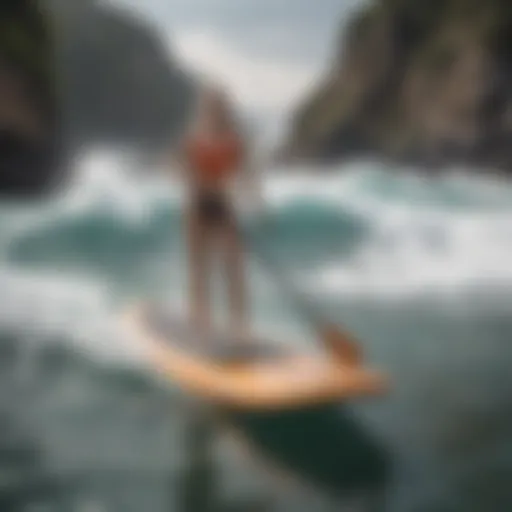
When it comes to kayaking and canoeing, paddling under a full moon transforms a regular outing into something enchanting. The clear visibility provided by the moonlight enhances navigation and can lead to a serene experience among bioluminescent creatures.
In fact, several benefits arise when setting out during this lunar phase:
- Increased Visibility:
- Unique Wildlife Sightings:
- Unlike the darker parts of the lunar cycle, a full moon aids paddlers in avoiding obstacles, like rocks and submerged logs.
- Various marine creatures, such as fish and turtles, exhibit different behaviors during a full moon. This is a chance to observe their nocturnal habits.
To make the most of nighttime kayaking:
- Check Local Regulations:
- Make use of Glowsticks:
- Some areas have restrictions regarding night paddling. Be sure to comply with local rules to ensure safety and conservation efforts.
- Attaching glowsticks to paddles or kayak hulls enhances visibility for both the paddler and others in the vicinity. Safety should always come first.
Night Diving and Marine Life Behavior
Diving under the full moon can immerse divers in a world of vivid colors and bustling marine life that often remains hidden during daylight hours. Many divers attest that the lunar phase can modify various marine behaviors, influencing when specific species are most active.


- Marine Life Dynamics:
- Planning Night Dives:
- Certain fish, like parrotfish, exhibit increased activity during full moons, making them easier to spot. Other creatures, such as squid, may also come out at night, providing an unparalleled opportunity for observation.
- Ensure you have proper lighting and safety equipment. Visibility can be surreal but also potentially misleading, so maintain communication with your diving buddies.
Opting for a dive during this period not only increases the chances of witnessing unique aquatic phenomena but also allows divers to experience the tranquility of underwater realms illuminated by the moon. As always, proper training and adherence to safety protocols are critical for the enjoyment of this unique adventure.
In summary, being aware of how the full moon phase affects different watersport activities can significantly enrich the overall experience. With careful planning and consideration of tidal patterns, enthusiasts can take full advantage of nature’s offerings, tailoring their adventures to align with lunar influences.
Cultural and Historical Perspectives
The blend of culture and history with the full moon's impact on watersports unveils a fascinating narrative. Ancient societies observed the moon’s rhythm and learned its influence over the tides. This knowledge shaped not just their practices but also their beliefs and traditions surrounding water-based activities. Understanding these perspectives enriches the modern watersport enthusiast’s experience, linking them to a continuum of human interaction with nature.
Fishing, surfing, kayaking, and other watersports have roots steeped in lunar lore. The full moon has been seen as a time of both bounty and mystery, shaping how various cultures engage with water. The interplay between the moon's phases and animal behaviors allowed people to optimize their fishing schedules, demonstrating ancient wisdom that is still relevant today. With this cultural backdrop, watersport enthusiasts can appreciate their activities on a deeper level.
Lunar Myths and Watersports
Throughout history, different cultures have associated the moon with specific myths that often include narratives about watersports and their practices. For example, in ancient Polynesian culture, the full moon was believed to be an auspicious time for fishing expeditions. Fishermen would set their nets in the evening glow, confident that the lunar influence would lead to a fruitful catch. This reflects a broader sentiment, where many maritime cultures regarded the moon as a guide guiding sailors through the dark, reflective of their collective spiritual beliefs.
"We go where the tides guide; our nets cast under the watchful eye of the moon."
– An excerpt from maritime folklore.
These lunar myths not only led to practical decisions regarding fishing but also nurtured rituals around the full moon, celebrating the bond between man, water, and the celestial body above. Today, while scientific understanding tempers some of these beliefs, the essence of appreciating natural cycles remains a guiding principle in watersports. By participating in these activities during specific lunar phases, enthusiasts might still feel the pull of tradition alongside their modern ambitions.
Traditional Fishing Practices Linked to the Moon
Across the globe, various fishing communities have developed practices that align closely with the lunar cycle. In many indigenous cultures, it is believed that fish are more active during specific moon phases. For example, fishermen in the Mediterranean often align their catch with the full moon. During this time, it is thought that fish congregate due to heightened tidal movements, making them easier to lure.
Furthermore, some coastal tribes utilized lunar calendars to forecast peak fishing times. This level of forecasting was not arbitrary; it was often the result of generations of observation and respect for the environment. Observing how fish behave during different phases allowed them to time their activities more effectively. This practice is echoed in modern fishing regulations today, promoting a sustainable approach to fishing that pays homage to time-tested traditions.
In a practical sense, understanding the relationship between the lunar cycle and fishing yields tangible benefits for modern watersport enthusiasts. By planning trips to coincide with favorable lunar conditions, individuals not only enhance their odds of success but also engage with a deeper cultural narrative that has persisted through the ages. This respect for tradition paired with contemporary understanding allows watersport enthusiasts to honor the past while celebrating the present.
Practical Applications for Enthusiasts
Understanding how the lunar cycle intertwines with watersports isn’t just for scientists or the die-hard nature fans. It holds practical applications that can significantly bolster the experiences of enthusiasts, instructors, and even marketers in the watersports industry. The benefits of recognizing lunar influences on activities like surfing, kayaking, or diving are manifold. By aligning planning with lunar phases, participants can not only enhance their enjoyment but also maximize their safety and potential for successful outings.
One key consideration is timing. Watersport enthusiasts can benefit greatly from planning their outings around specific phases of the moon. The gravitational force exerted by the moon changes with its phases, leading to variations in tidal conditions. When tides align with full moons, they can amplify wave action and water movement, which can either present exhilarating conditions or pose challenges, depending on the sport in question.
"Timing your watersport activities with the lunar cycle can be the difference between a spectacular day on the water and a frustrating outing."
Whether it's surfing the powerful swells that can build as the tide rises or threading a kayak through channels exposed at low tide, understanding these changes empowers enthusiasts to make informed decisions.
Planning Watersport Activities
When making plans, it’s crucial to know not just when the next full moon is, but also what specific conditions one might expect. Here are some elements to consider:
- Tide Charts: Check local tide charts that correspond with lunar phases. Understanding high and low tide times can greatly influence the experience. For instance, a full moon typically brings higher high tides, which can create thrilling surfing conditions at certain beaches.
- Weather Patterns: Pay attention to the forecast around the full moon. In some regions, full moons can correlate with specific weather patterns which might affect wind and storm conditions.
- Regional Variations: Different areas experience lunar effects in unique ways. Research how your local waters respond to the full moon’s gravitational pull, as every body of water may act differently.
It's also wise to engage with local communities, like joining a Facebook group for local watersports enthusiasts. They often share insights on timing, ideal spots, or safety concerns that aren’t readily available in guidebooks.


Using Lunar Calendars
Incorporating lunar calendars into your planning can enrich your watersport experience immensely. A lunar calendar is a tool that allows enthusiasts to track the different phases of the moon easily. Here’s how you can make use of it:
- Scheduling: Use it to timetable your outings. A simple glance can show you when the next full moon is, along with the new or half moons, which can also affect your timing.
- Long-term Planning: Looking ahead? Align your major trips with full moons well in advance to experience optimal water conditions. Consider combining lookouts for prime tide timings for fishing trips or diving expeditions.
- Education and Learning: Utilize resources online, such as NASA or Time and Date, to deepen your understanding of how lunar phases are observed around the globe.
Environmental Considerations
Understanding the environmental implications of watersports during the full moon cycle is crucial for enthusiasts and conservationists alike. The interplay of lunar forces on tides and oceanic behaviors creates a unique ecological landscape that directly influences water-based activities. Moreover, this connection expands beyond the immediate joys of recreation, embodying a responsibility towards our coastal ecosystems.
Optimal conditions for watersports often arrive hand-in-hand with the natural rhythms dictated by the moon's phases. Yet, it is imperative to recognize how these activities can impact the delicate balance of marine environments. For instance, during peak tidal changes, the currents become lively, influencing not just the experiences of surfers or kayakers, but also the habitats of numerous aquatic species. Being conscious of these dynamics can enrich our adventures while fostering sustainable practices that protect our waters.
"In every wave and tide, there’s a lesson on our responsibility as stewards of the seas."
Impact of Tides on Coastal Ecosystems
The lunar influence on tides is not merely an interesting factoid; it plays a vital role in shaping coastal ecosystems. High tides can result in nutrient-rich waters flooding estuaries, crucial for fish spawning and feeding cycles. Such seasonal shifts can drastically affect local biodiversity, showcasing how intertwined our actions are with natural processes.
During the full moon, tides exhibit heightened amplitudes. This phenomenon can lead to both beneficial and detrimental effects on marine life. Organisms like shorebirds depend on these tidal patterns for foraging, while various fish species may use increased currents to propagate and hunt.
Some key aspects to consider include:
- Nutrient Distribution: High tide can redistribute nutrients, supporting phytoplankton growth, a cornerstone of oceanic food chains.
- Shelter for Species: Certain habitats, such as tidal pools, receive patches of water that can offer shelter for juvenile fish and invertebrates.
- Migrations: Various species time their migrations to synchronize with lunar tides, indicating the intricate synchrony between ecosystems and lunar phases.
Ensuring minimal disruption during these peak periods is essential. Water sport activities should be planned with awareness of these environmental cues to protect vital ecosystems.
Sustainability in Watersports Practices
As watersports enthusiasts, adopting sustainable practices is paramount for preserving the natural environments we cherish. The full moon phase serves as a reminder for practitioners to reassess their methods and consider their ecological footprint. From equipment choices to waste management, every decision plays a role in nurturing our marine ecosystems.
Sustainable watersport practices can unfold in several forms:
- Eco-Friendly Equipment: Consider using biodegradable wax or eco-conscious paddle materials. Your gear can make a difference!
- Education and Advocacy: Engaging in community efforts to educate fellow enthusiasts about the impact of their activities. Sharing knowledge fosters a culture of respect and responsibility.
- Leave No Trace Principles: This includes proper waste disposal, cleaning up after oneself, and leaving natural spaces undisturbed.
- Incorporate Local Guidelines: Be aware and abide by local conservation regulations. This helps protect specific geographic features and wildlife during sensitive periods.
Through maintenance of ‘leave no trace’ principles and supporting local conservation efforts, we can ensure that our waters remain pristine for future generations. Every time we set out on the water, we can make conscious choices that resonate with sustainability, turning our adventures into collective actions for conservation.
Future Trends and Research
As we look to the horizon of watersports and the influence of the full moon, it becomes evident that understanding future trends and scientific research is paramount. The realm of tidal prediction technology and community involvement in marine conservation stands out as meaningful areas for those who want to enhance their experience and contribute positively to the environment surrounding watersports. Keeping abreast of these developments can greatly influence not just individual practices, but also the broader community efficacy related to watersports.
Advancements in Tidal Prediction Technology
When it comes to maximizing the advantages of water-based activities, accurate tidal predictions are invaluable. The advancements in tidal prediction technology have come a long way since the days of simply looking at a tide chart. Today, sophisticated models utilize data from satellites and sensors scattered across coastlines to provide precise forecasts. Here are a few notable developments:
- Satellite Monitoring: Real-time satellite data allows for much earlier and accurate assessments of tidal movements, affecting everything from surfing conditions to scuba diving times.
- Artificial Intelligence: Machine learning algorithms analyze historical tidal patterns and can predict upcoming tides with unprecedented accuracy. They learn from previous data, allowing enthusiasts to plan activities at optimal times.
- Mobile Applications: User-friendly apps like Tides Planner or NOAA Tides & Currents give real-time updates on tidal conditions, making it easy for watersport enthusiasts to check the best times for their activities right from their mobile devices.
These advancements not only help in objective decision-making but also enhance the safety and enjoyment for all who indulge in activities like kayaking or surfing.
Community Engagement in Marine Conservation
In addition to technological advancements, the call for community engagement in marine conservation is louder than ever. The future of our oceans relies heavily on collective efforts, and watersports enthusiasts can play a pivotal role. Here are some points to consider:
- Local Clean-Up Initiatives: Joining hands with fellow enthusiasts to participate in beach clean-ups can create immediate and visible impacts on the environment. Local organizations frequently host events to remove debris from shorelines, contributing directly to marine habitat preservation.
- Educational Programs: Workshops and seminars that inform about marine ecosystems and the importance of conservation can greatly enrich the community’s understanding. A well-informed crowd is better equipped to take action.
- Citizen Science Projects: These projects offer community members the opportunity to engage in scientific monitoring. For instance, programs that track marine life or tide changes can bolster understanding and spark greater interest in conservation initiatives.
- Advocacy and Policy Engagement: Being an active voice in local policies that affect marine areas can lead to more sustainable practices and robust protection, which can benefit watersport activities in the long run.
"Preserving our oceans is not just a responsibility but a journey we all share. The actions we take today will echo in the waves of tomorrow."
The integration of technological advancements in tidal prediction along with active community engagement in marine conservation creates a powerful synergy. By fostering collaboration, watersports enthusiasts can become advocates for change, promoting both fun and sustainable practices as they navigate the beautiful waters under the illuminating full moon.